
Glue-down vs Click LVT
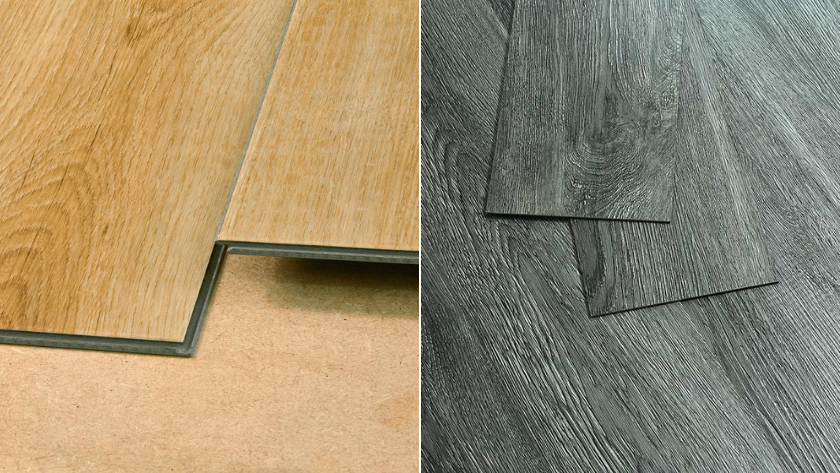
Which flooring is right for your home?
Both glue-down and click LVT are excellent flooring options, but they’re designed for different situations.
Glue-down LVT is generally the preferred choice for homeowners looking for the highest quality finish, long-term durability and maximum design flexibility.
Click LVT is ideal where a faster installation with less disruption and a floating floor system are preferred.
The right choice depends on your property, subfloor, budget and how the room will be used.
What is the difference between Glue-down and Click LVT?
Although both products fall under the umbrella of Luxury Vinyl Tile (LVT), the way they’re installed is completely different.
Glue-down LVT is bonded directly to the subfloor using a specialist adhesive, creating a permanent, highly stable floor.
Click LVT uses an integrated locking system that allows each plank to click together, creating a floating floor that sits above the subfloor rather than being fixed to it.
Once installed, they can look almost identical, but the installation method affects everything from floor preparation and cost to durability and long-term performance.
Glue-Down LVT explained…
Glue-down LVT is widely regarded as the premium installation method and has been used in homes and commercial buildings for many years. It’s also the preferred choice of many professional floor fitters due to its exceptional stability, precision and long-term performance. Each plank or tile is individually adhered to the prepared subfloor using a specialist flooring adhesive. Because the flooring is fixed directly to the floor beneath, it feels exceptionally solid underfoot and remains extremely stable throughout its lifespan.
Glue-down LVT also offers greater flexibility when it comes to design. Whether you’re choosing a traditional straight plank, elegant herringbone, parquet or a bespoke layout, glue-down flooring provides the precision needed to achieve a high-quality finish.
Advantages of Glue-down LVT
- Exceptional stability
- Ideal for herringbone and intricate designs
- Excellent for large open-plan areas
- Performs extremely well in high-traffic environments
- Individual planks can often be replaced if damaged
Click LVT Explained…
Click LVT uses an integrated locking mechanism that allows each plank to connect to the next without being glued to the subfloor. Instead, the flooring forms a floating surface that sits above the existing floor. Originally developed as a quicker and more accessible flooring solution, click LVT became popular because it could often be installed over suitable existing floors with less preparation than traditional glue-down systems. This also made it an attractive option for DIY enthusiasts and homeowners looking to take on projects like this at home.
Many click LVT products include an integrated acoustic backing, helping to reduce noise while adding a little extra comfort underfoot. While click LVT is available in wood and stone designs, the overall choice is generally more limited than glue-down LVT. Most click products are designed for a traditional straight plank installation, whereas glue-down LVT offers much greater design flexibility, including herringbone, parquet and bespoke laying patterns.
Although click LVT is often marketed as requiring less preparation, it actually still needs a flat, stable and well-prepared subfloor. If the floor beneath isn’t properly prepared, you may notice movement, hollow spots or slight flex underfoot, which can affect both the feel of the floor and its long-term performance.
At Oxford City Flooring, we install both glue-down and click LVT, and each has its place. However, where the property and budget allow, glue-down remains our preferred recommendation. In our experience, it delivers a more solid feel underfoot, greater design flexibility and exceptional long-term stability, making it a worthwhile investment.
Advantages of Click LVT
- Faster installation
- Less subfloor preparation in suitable properties
- Many products include integrated acoustic backing
- Can be a good option where minimal disruption is important
The Biggest Difference: The Subfloor
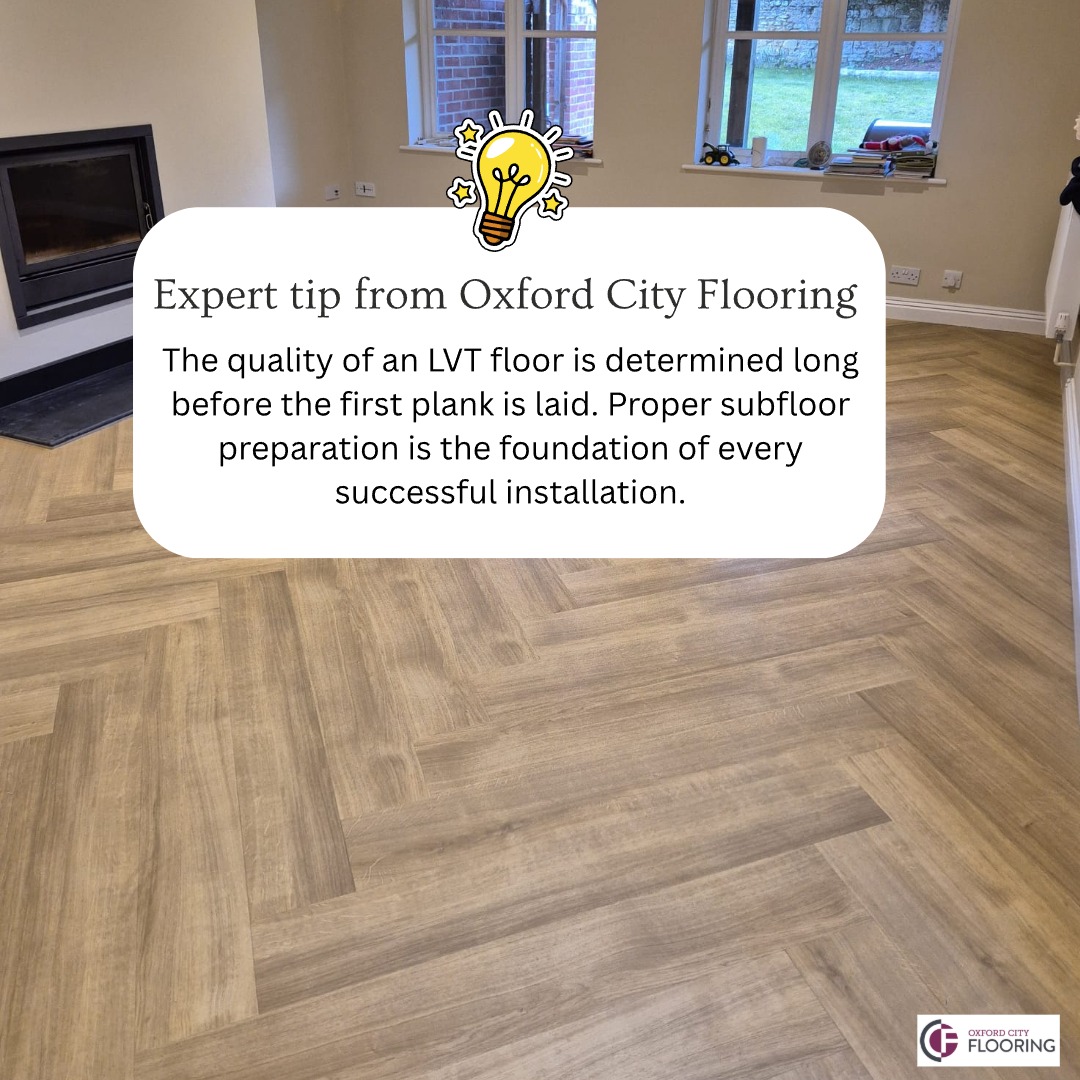
From a customer’s perspective, choosing flooring is often about colour, style and design. From a floor fitter’s perspective, the most important part of the project is something you’ll never see, the subfloor.
No matter how beautiful the flooring is, it will only perform as well as the surface beneath it.
Glue-down LVT requires precision subfloor preparation
Glue-down LVT itself is typically only 2–3mm thick. Because it’s so slim, every small imperfection beneath it can potentially show or be felt through the finished floor. That’s why preparation is so essential.
Before installation, we may need to:
- Remove old flooring and adhesive
- Moisture test the subfloor
- Repair damaged concrete or timber
- Apply primers
- Install a damp-proof membrane where required
- Apply smoothing compound to create a perfectly level surface
Although this preparation takes time, it’s one of the biggest reasons glue-down LVT performs so well over the long term.
Click LVT is more forgiving, but preparation still matters
Click LVT is generally more forgiving of minor subfloor imperfections because it forms a floating floor rather than being bonded directly to the surface below. However, this doesn’t mean preparation can be overlooked. For the best results, the subfloor should still be flat, dry and stable. If it’s uneven or poorly prepared, you may notice movement, slight flex or hollow areas underfoot, and over time this can place additional stress on the locking joints.
Professional preparation remains essential for both glue-down and click LVT. The difference is simply that each system has its own installation requirements.
Which feels better underfoot?
Although they look similar, many customers notice a difference once the flooring has been installed.
Glue-down LVT tends to feel:
- Solid
- Stable
- More like a permanent floor
Click LVT often feels:
- Slightly softer
- More cushioned
Neither is better, it simply comes down to personal preference and the type of property.
Durability
Both glue-down and click LVT are designed to cope with the demands of everyday life. However, glue-down LVT generally offers greater long-term stability because each plank is permanently bonded to the subfloor.
That’s one of the reasons it’s commonly specified in homes, schools and university areas, care homes, offices, retail stores, restaurants and pubs, healthcare environments – all environments really! Click LVT is also extremely durable and perfectly suited to most domestic homes, making it an excellent option for living rooms, bedrooms and family spaces.
Underfloor heating
The good news is that both glue-down and click LVT are compatible with most underfloor heating systems when installed in accordance with the manufacturer’s guidelines. Glue-down LVT often transfers heat slightly more efficiently because it’s fixed directly to the subfloor, but both systems provide excellent performance when installed correctly.
Always follow the manufacturer’s recommendations regarding maximum floor temperatures and commissioning procedures.
Maintenance
One of the reasons LVT has become so popular is its low maintenance requirements. Whether you choose glue-down or click LVT, caring for your floor is simple.
- Sweep or vacuum regularly
- Damp mop using a pH-neutral floor cleaner
- Wipe up spills promptly
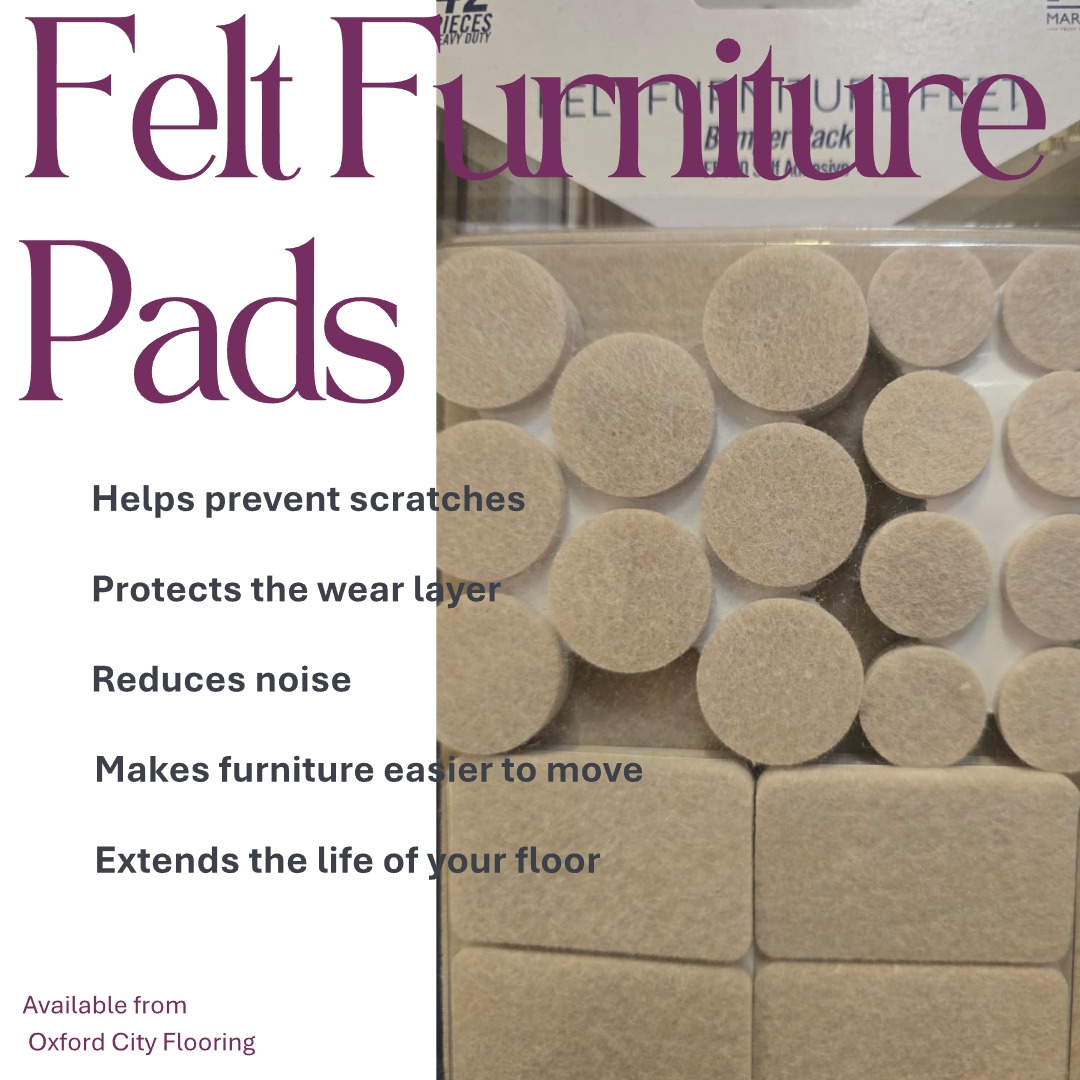
- Fit felt pads beneath furniture
- Place entrance mats at external doors to reduce grit and moisture
Neither system requires sanding, sealing or specialist treatments.
Can damaged planks be replaced?
Yes – but the repair process differs. With glue-down LVT, individual planks can often be carefully removed and replaced without affecting the surrounding floor.
With click LVT, repairs can sometimes involve lifting sections of the floor to access the damaged plank, depending on its location and the manufacturer’s locking system.
Cost
Many people assume glue-down LVT is more expensive simply because of the flooring itself. In reality, the difference is usually the installation. Glue-down installations require:
- More floor preparation
- Specialist adhesives
- Longer installation times
- More wastage for bespoke and herringbone patterns
Click LVT is generally quicker to install, which can reduce labour costs, but the material itself is usually more expensive than glue-down LVT.
While glue-down may have a higher upfront cost, many homeowners consider it a worthwhile investment because of its stability, longevity and premium finish.
Which flooring is best for different rooms?
| Room | Recommended Option |
|---|---|
| Kitchen | Glue-down LVT |
| Bathroom | Glue-down LVT |
| Utility Room | Glue-down LVT |
| Stairs | Glue-down LVT |
| Hallway | Glue-down LVT |
| Living Room | Either |
| Bedroom | Either |
| Home Office | Either |
| Conservatory* | Depends on the product |
| Schools / University | Glue-down |
| Care Homes | Glue-down |
| Offices | Glue-down |
| Retail | Glue-down |
| Restaurants / Pubs | Glue-down |
*Always check the manufacturer’s suitability for conservatories and areas subject to high temperatures.
Which should you choose?
Glue-down LVT may be the better choice if:
- You’re renovating your forever home
- You’re looking for a premium finish
- You’re choosing herringbone, parquet or bespoke flooring design
- You have large open-plan spaces
- You need flooring for a commercial environment
- Long-term durability is your priority
Click LVT may be the better choice if:
- You want a faster installation
- You’re renovating a smaller area
- You prefer a floating floor
- You’re working to a tighter budget – DIY
- Your property is well suited to a click-fit system
“Just because a click floor can be installed over an existing floor doesn’t mean it should be.”
Conclusion
Both glue-down and click LVT are excellent flooring systems that can provide many years of reliable performance. The right choice isn’t about selecting the “best” product, it’s about choosing the flooring that’s best suited to your home, lifestyle and budget. At Oxford City Flooring, we believe that every successful flooring project starts with understanding how you use your space. We’ll assess your subfloor, discuss your design preferences and recommend the most appropriate solution based on your individual requirements, not simply what’s quickest or most expensive.
Whether you’re renovating a single room, updating your entire home or specifying flooring for a commercial property, we’re here to provide honest advice, expert installation and a floor that’s built to last.
Need advice?
If you’re unsure whether glue-down or click LVT is right for your project, we’d be delighted to help. Our experienced team can explain the differences, recommend the most suitable products and arrange a free site survey to assess your property.
Get in touch with Oxford City Flooring today or visit our Didcot showroom to explore our range of Luxury Vinyl Tile (LVT) flooring.